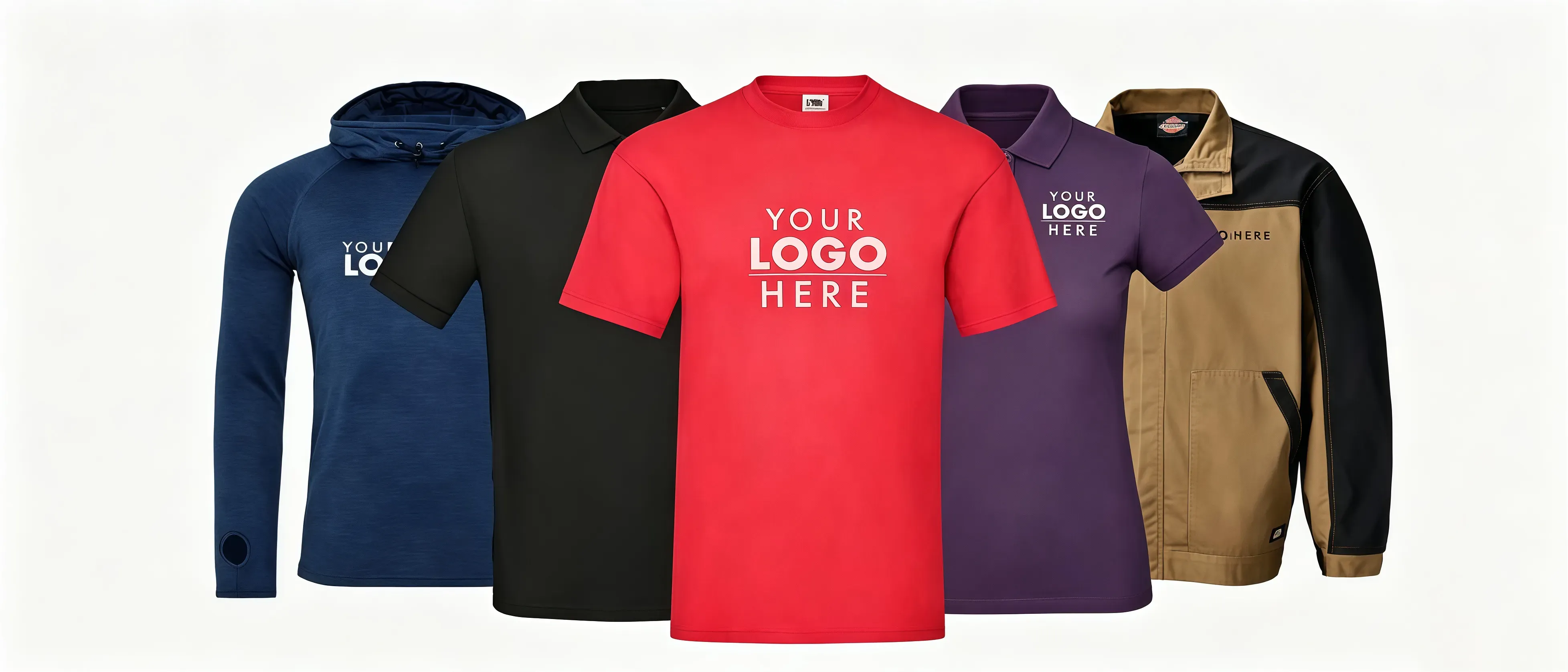
Screen Printing
Cotton & cotton-blend garments- Cost-effective and vibrant
- Durable through 50+ industrial washes
- Great opacity on dark fabrics
- Setup screens add cost on small runs
- Limited gradients compared to DTG

GOTS- and GRS-certified options across 9 styles and 6 fabric types, sourced directly through the audited factory network in China. Screen print, embroidery, DTG or sublimation branding — verified by LeelinePromotion.
Get Your Free Clothing Sample & QuoteBoardroom to construction site, gym to weekend coffee run. Each garment is built to perform and branded to last.
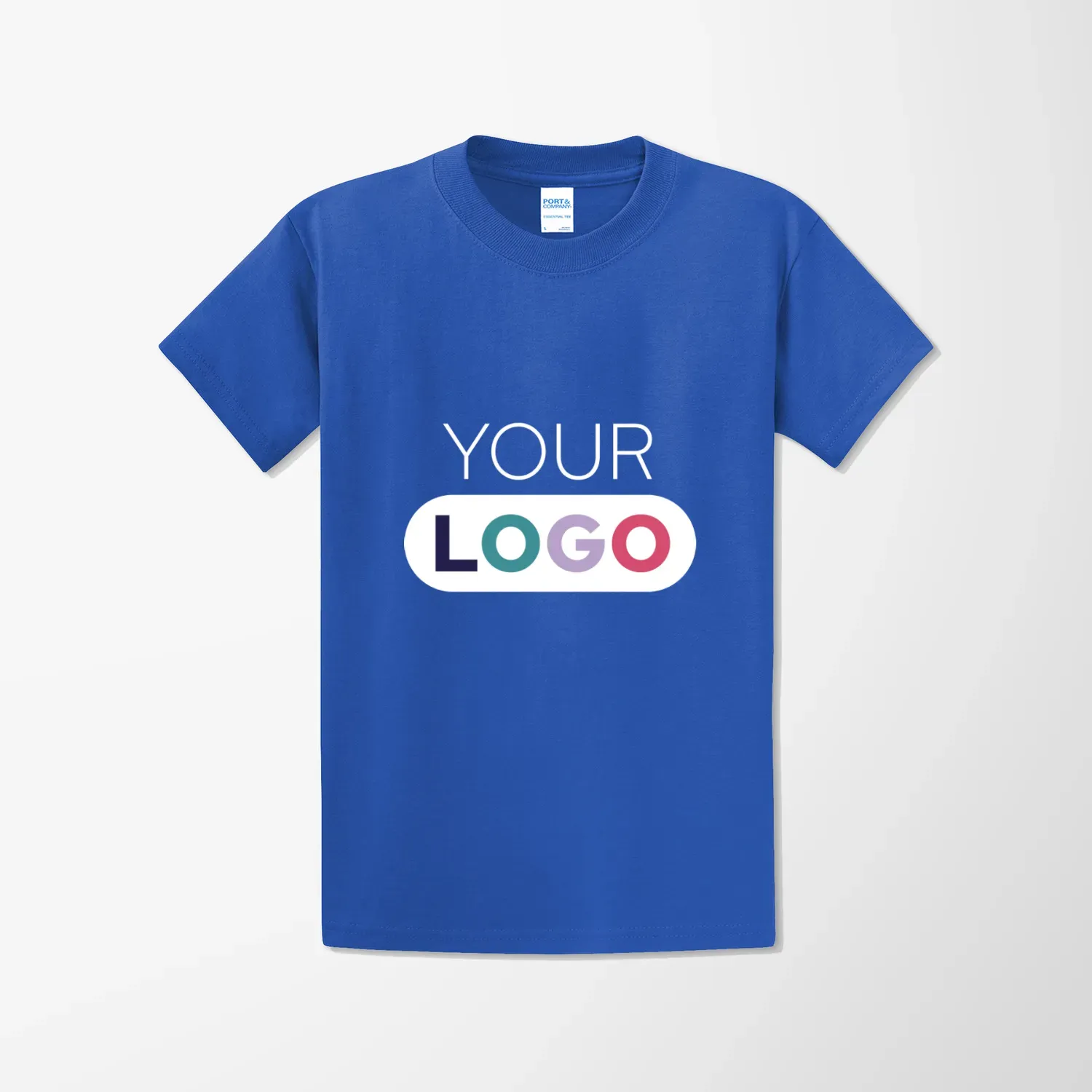
The #1 promotional garment — affordable, universal sizing, and worn repeatedly for years of brand impressions. A reliable canvas for events, giveaways, and daily staff wear.
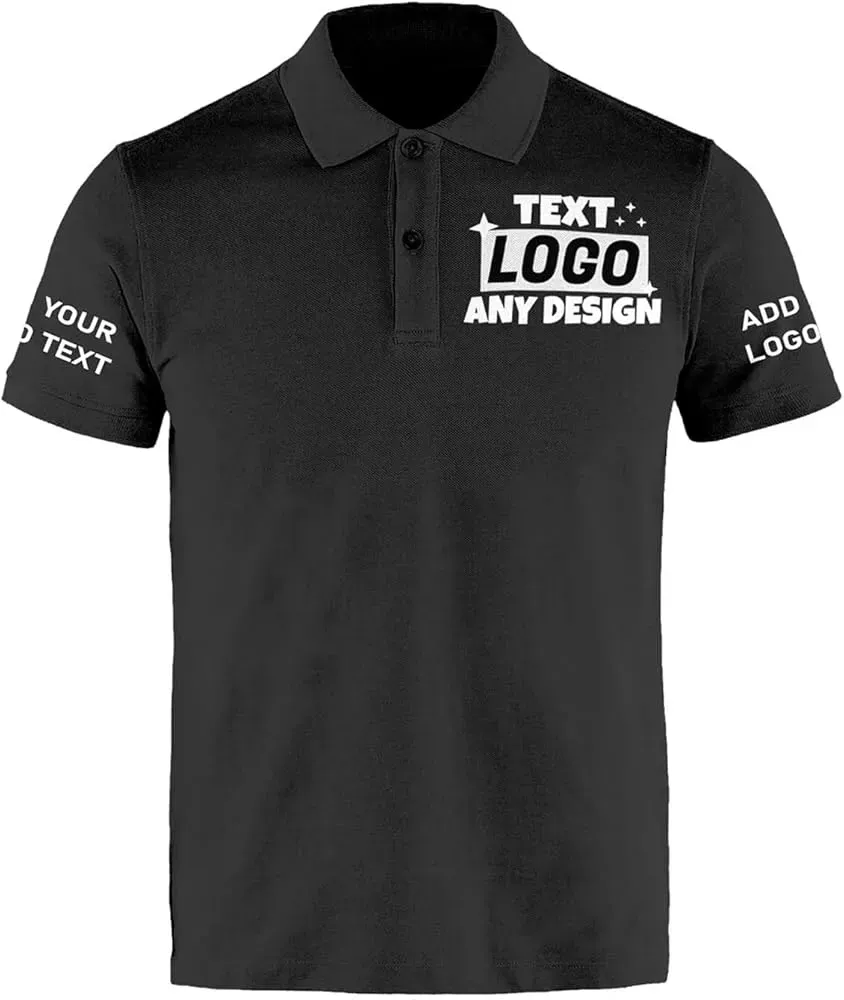
The go-to for corporate uniforms, trade show staff, and client-facing teams — a sharp, structured silhouette with premium presence on camera and in person.

The premium winter giveaway — seen on campuses, at tech campuses, and in weekend street style for years. An oversized front print panel makes the logo the centerpiece.
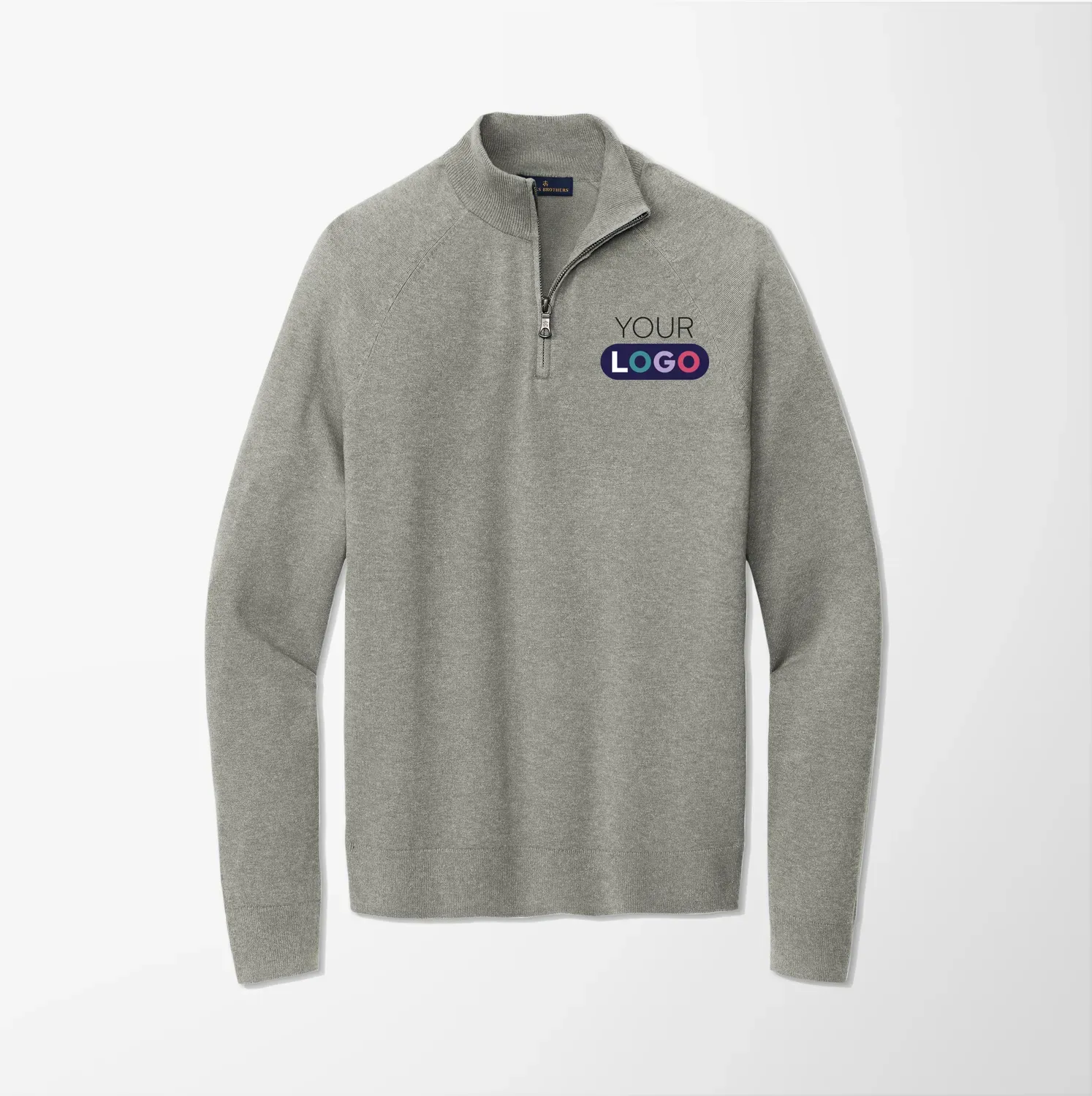
The outerwear piece bridging office, commute, and weekend — high retention, daily wear. Sits cleanly under a blazer or over a tee for a polished, practical layer.
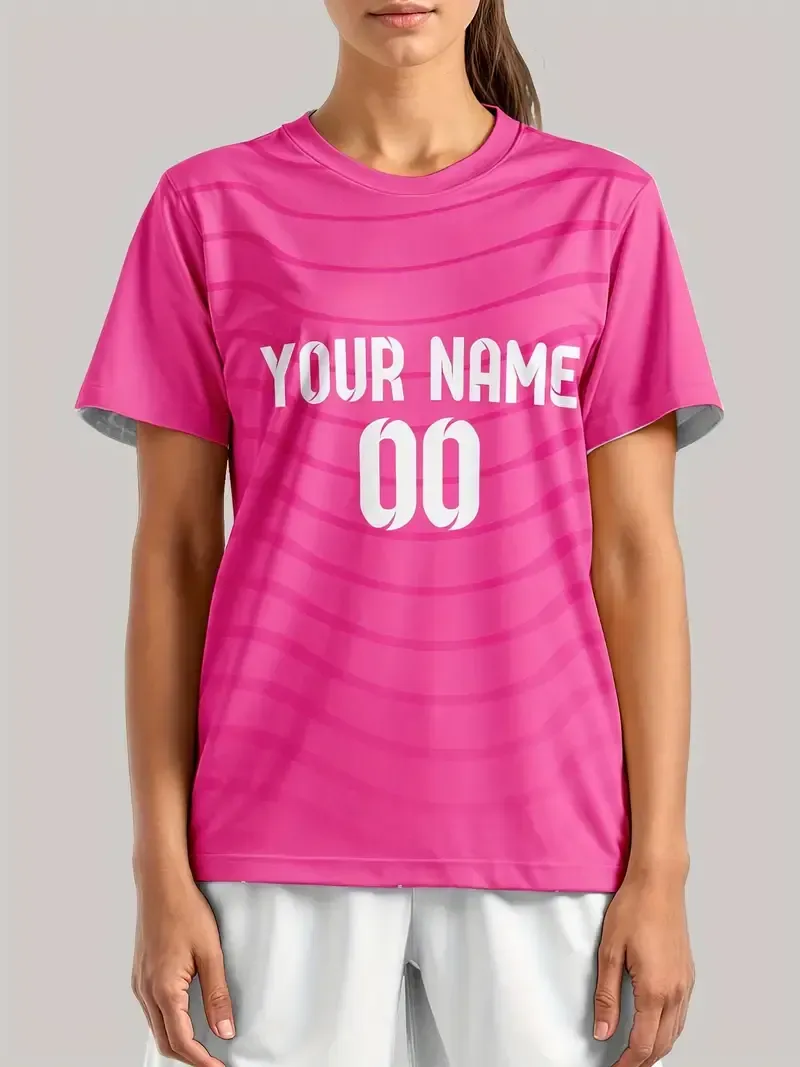
Perfect for 5K runs, gym merch, and sports team kits — engineered for unrestricted movement and edge-to-edge team graphics.
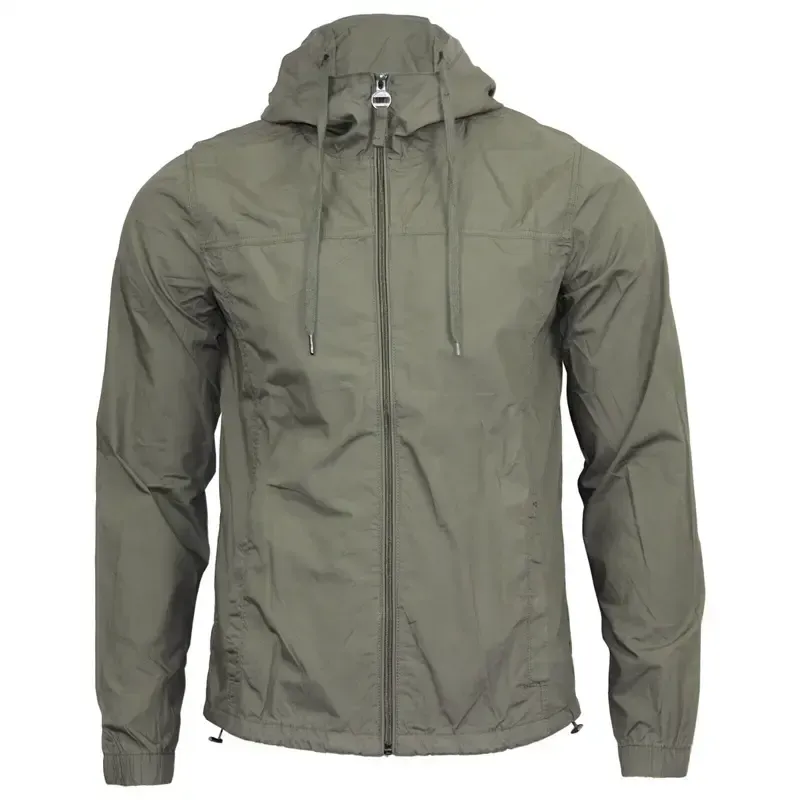
The hospitality and retail workhorse — built to survive service floors and keep tools within arm's reach, with a full-bib print surface for branding.
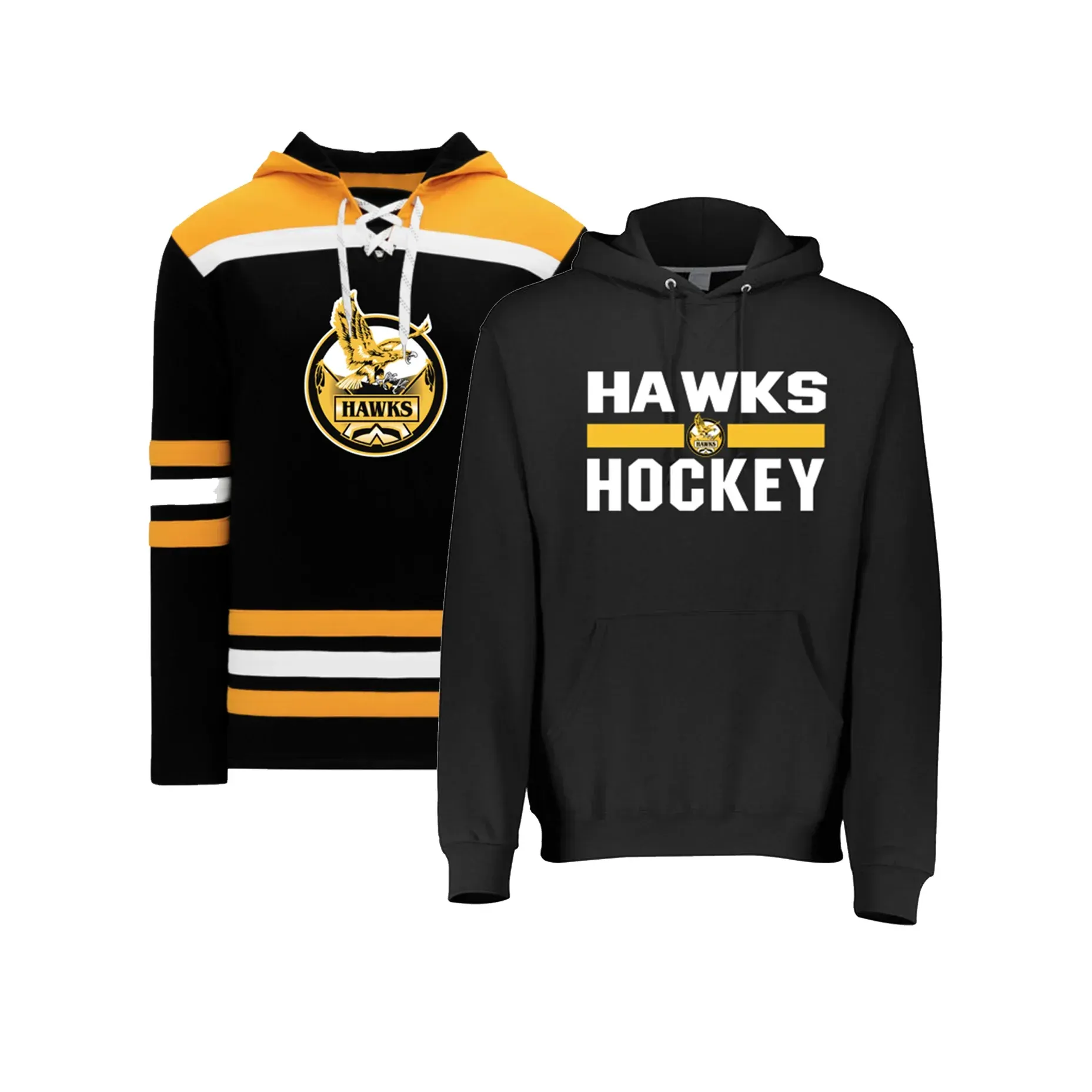
The go-to for construction crews, warehouse teams, and event traffic staff — high-visibility shells with room for logos and safety slogans, shipped with compliance documentation.
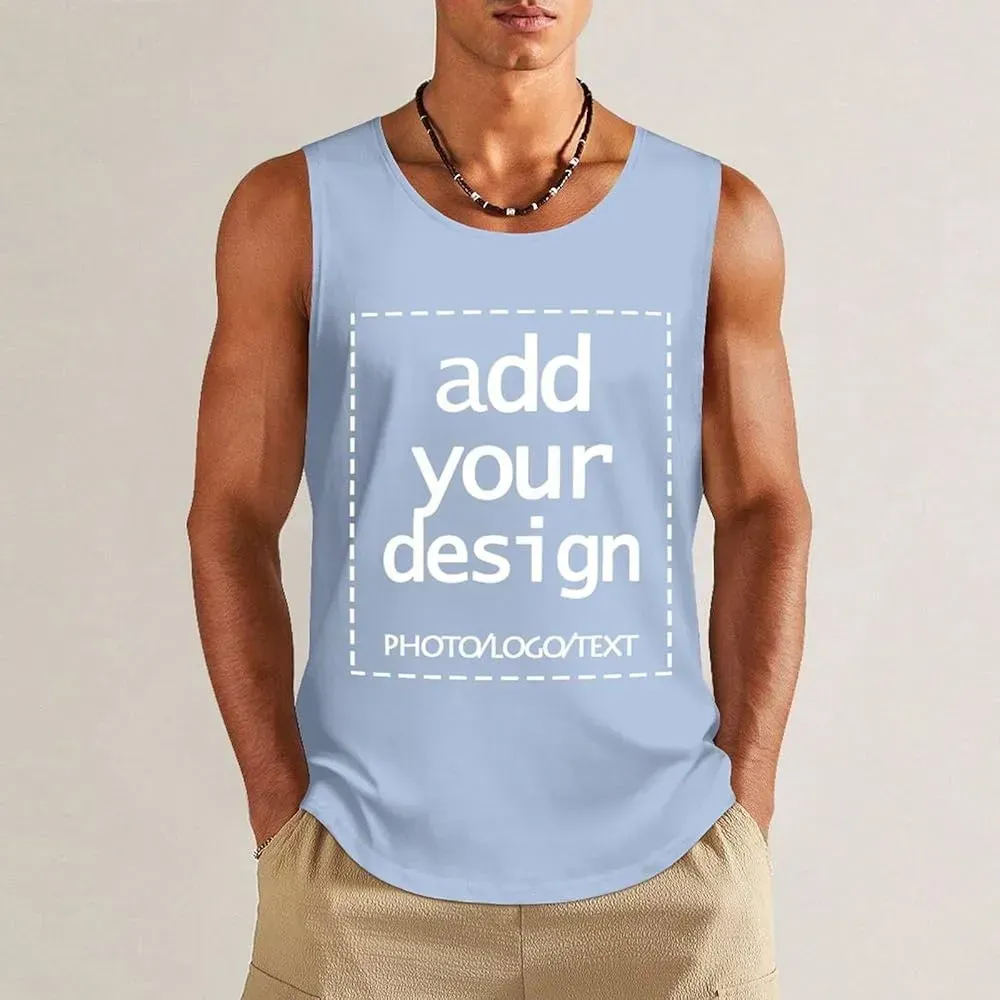
Executive outerwear spanning boardroom to trailhead — weatherproof performance with premium branding on the details.
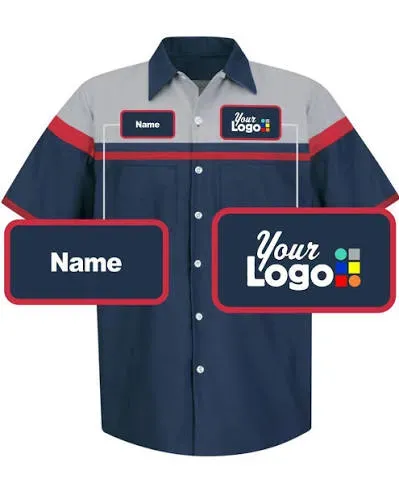
For brands leading with sustainability — organic or recycled fibers and documentation built for an ESG review.
Six fabric families balancing hand-feel, print quality, and wash durability — so a logo looks sharp on day one and day one hundred.
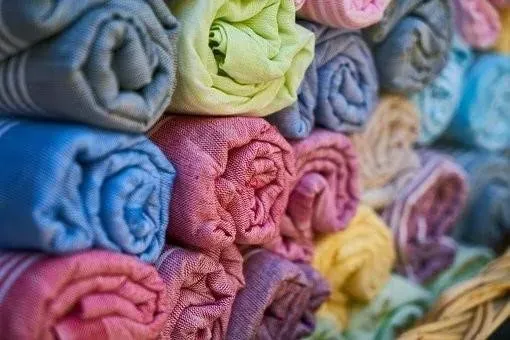
Combed and ringspun for a softer hand-feel and superior print surface compared to open-end cotton. Available in 150gsm–220gsm with reactive-dyed colors — fade-free through 50+ industrial washes. Organic and BCI options for sustainable manufacturing programs.
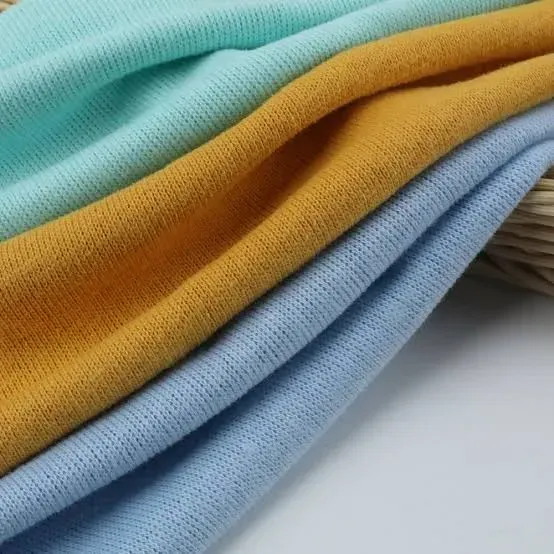
60/40 or 50/50 cotton-polyester blends balance the softness of cotton with the wrinkle resistance and durability of polyester. Lower shrinkage, faster drying, and better cost-per-wear than 100% cotton. The pragmatic choice for high-volume corporate uniform programs.
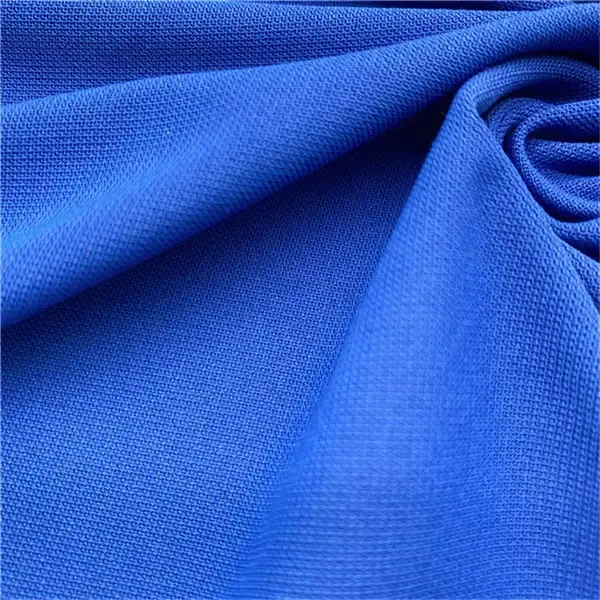
100% polyester with moisture-wicking, anti-odor, and UV protection built into the yarn — not a topical treatment; the properties are permanent. Available in 120gsm–160gsm with 4-way mechanical stretch. Sublimation-ready white base delivers edge-to-edge photo-realistic prints in unlimited colors.
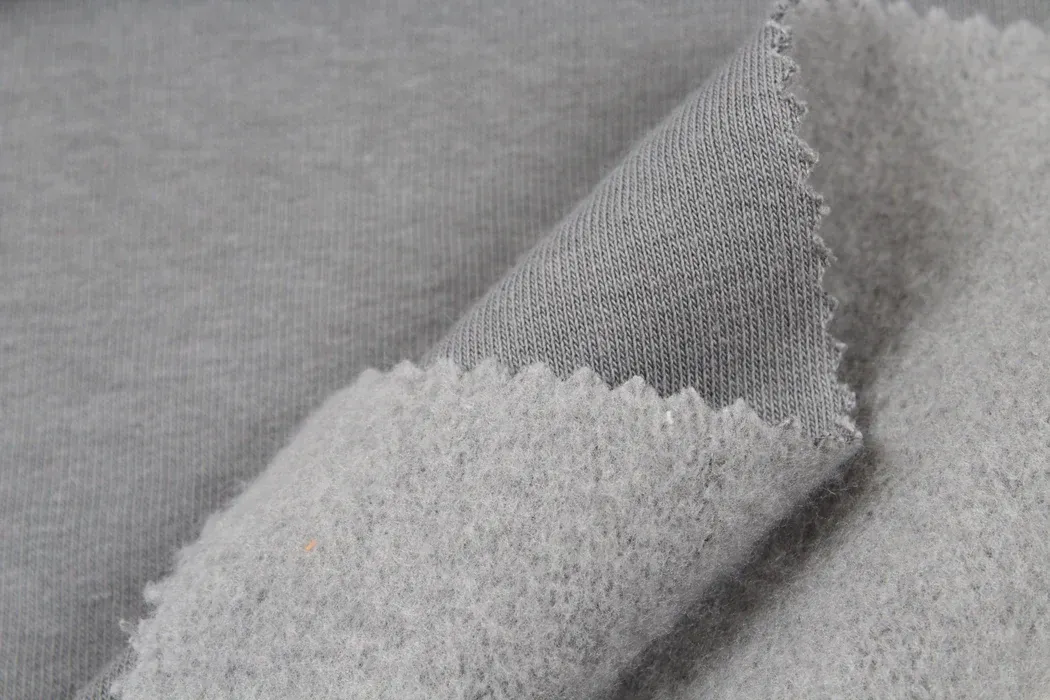
Cotton-face polyester-back fleece with a raised, brushed inner nap for thermal retention. Available in 280gsm–360gsm weights. Garment-dyed and enzyme-washed finishes for a broken-in, vintage feel. The premium hoodie and jogger fabric — soft inside, durable outside.
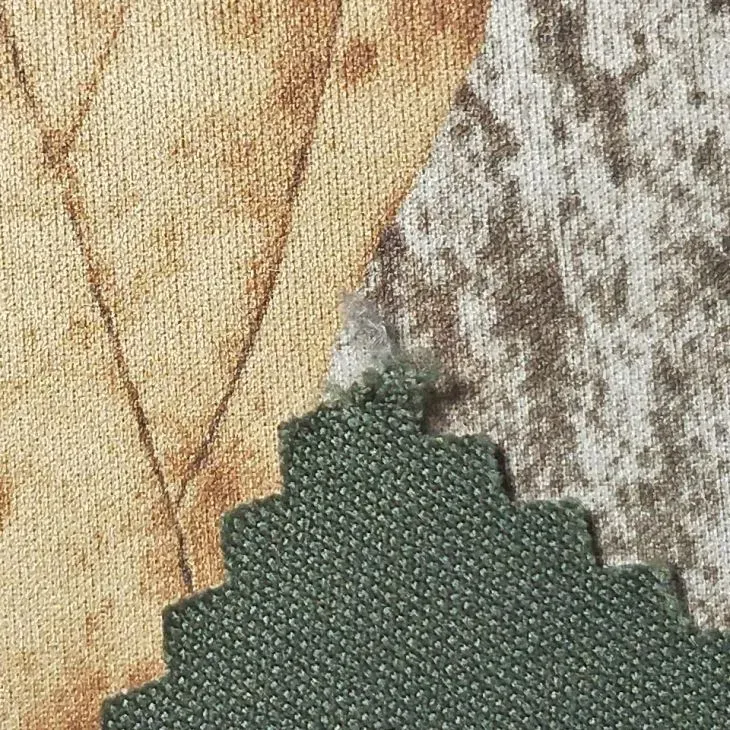
Bonded construction: woven polyester outer face + breathable TPU membrane + microfleece inner backing. Waterproof (5,000mm–10,000mm) with 3,000g/m² breathability. Windproof with 4-way mechanical stretch. The performance outerwear fabric for executive jackets.
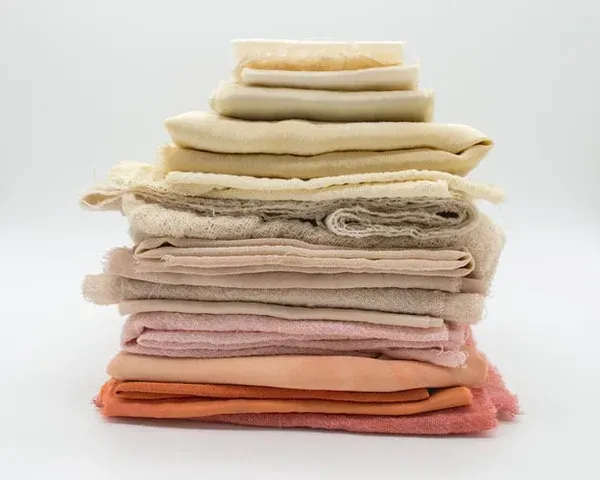
GOTS-certified organic cotton grown without synthetic pesticides and GRS-certified post-consumer recycled polyester. OEKO-TEX Standard 100 certified at each production stage. Full material passports with chain-of-custody documentation for ESG-compliant procurement.
Six fabrics, four decoration methods, and the four failures sinking apparel programs — so uniforms and merch wear well past the first wash.
Match each fabric to its best decoration method and use case — weight, durability, and sustainability specs are detailed in the fabric cards above.
| Fabric | Best Branding | Best For |
|---|---|---|
| Ringspun Cotton | Screen print (plastisol or water-based) | T-shirts & polos |
| Cotton-Poly Blend | Screen print & embroidery | High-volume uniform programs |
| Performance Polyester | Sublimation (edge-to-edge) | Sports & performance tees |
| Brushed Fleece | Embroidery & screen print | Hoodies & joggers |
| 3-Layer Softshell | Embroidery | Executive jackets & outerwear |
| Organic & Recycled | Water-based ink | Sustainability campaigns |
Each method trades off color range, durability, unit cost, and setup. Match it to the material and artwork — not the other way around.
Common mistakes that surface after the sample is approved — and how to stop each one before it becomes a rework.
Pre-production digital samples are handcrafted by senior technicians while bulk runs at commercial speed. The difference is preventable — but only if the sample is sealed as a contract benchmark.
Fabric shrinkage differs by blend — cotton-poly blends shrink less than 100% cotton. Dimensional stability must be verified before bulk cutting, not after the first wash.
A print failing a rub test or cracking in the wash is a failed order. Screen prints on cotton should survive repeated industrial washing when the ink is cured correctly.
Generic size labels drift between factories. Size charts with actual garment measurements — not just S/M/L labels — prevent ill-fitting rollouts.
Each garment passes through three inspection gates before leaving China. The QC framework follows ISO 2859 / ANSI ASQ Z1.4 — the same standard used by Fortune 500 apparel brands.
Acceptable Quality Level 2.5 — the sampling tolerance the global apparel industry uses to judge whether a batch ships. Based on ISO 2859 / ANSI ASQ Z1.4 sampling tables: for a 1,200-unit order, 80 random pieces are inspected. If 5 or fewer defects are found, the batch ships. If 6 or more, the entire batch is reworked or rejected.
Critical: safety hazards — exposed needles, sharp edges, choking hazards. Zero tolerance.
Major: garment-impairing flaws — broken seams, color bleeding, print misregistration, size deviation >1.5".
Minor: cosmetic imperfections — loose threads, slight print variations, minor color shade differences within commercial tolerance.
Pre-Production: fabric inspection (GSM, color fastness, shrinkage and dimensional stability) before cutting — the earliest checkpoint for catching defects at the source.
Inline (30% + 80%): real-time corrections during sewing, printing, and finishing — seam tensile and print adhesion rub checks, with photo evidence shared with you.
Pre-Shipment: final sampling on finished, polybagged goods — only passing batches are loaded into the container.
Any legitimate sustainability certification has a public verification system — here's how we cross-check each standard before production begins.
Step 1: Verify the Scope Certificate — confirms the factory is GOTS-audited for the specific production stage (e.g. sewing, printing).
Step 2: Request the Transaction Certificate (TC) for the specific order — this is the auditable chain-of-custody document tracing organic fiber from field to finished garment. Cross-check both against the GOTS public database.
Note: If a supplier can't produce a TC for that order, the goods are not GOTS-certified.
Step 1: Each OEKO-TEX label carries a unique certificate number (e.g. "23.HCN.12345").
Step 2: Enter this number into the OEKO-TEX Label Check tool on the official website.
Step 3: Confirm the certificate is (a) still valid (not expired), (b) issued to the same factory producing the goods, and (c) covers the specific product class of the garment. Expired or mismatched certificates are a red flag.
Step 1: Confirm the factory holds a valid GRS Scope Certificate covering the relevant processing steps.
Step 2: Verify chain of custody through the Textile Exchange's public registry.
Step 3: Request the Transaction Certificate (TC) tracking recycled content percentage through each supply chain node. The TC must show the same recycled content % as the purchase order — a 50% GRS claim without a TC is unverified.
A PDF certificate is not proof — always cross-check. Live links to public verification databases are provided for each certification claim. If a factory can't produce verifiable, order-specific certification documentation, the order won't be placed there.
A branded garment is typically worn dozens of times across its life — here are four contexts where clothing delivers the highest cost-per-impression ratio in the promotional industry.

Premium polos and softshell jackets turn staff into walking brand ambassadors. Consistent color matching across garment batches, embroidery precision on logos, and individual polybagging with size labels make multi-location staff rollout seamless. One order, one invoice, each branch dressed identically.
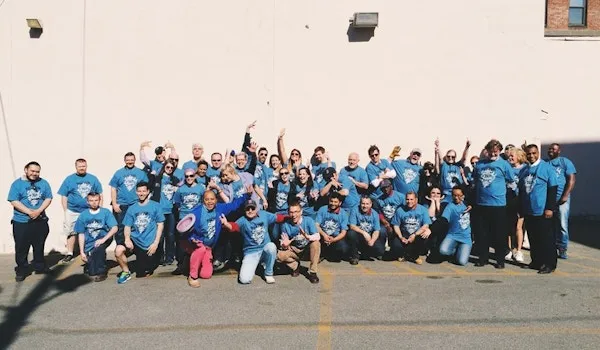
Staff t-shirts turning booth teams into a branded experience. High-volume screen-print runs with rush production for last-minute event orders. Pre-event kitting — each staff shirt bagged with name, size, and role label — delivered directly to the venue before doors open.
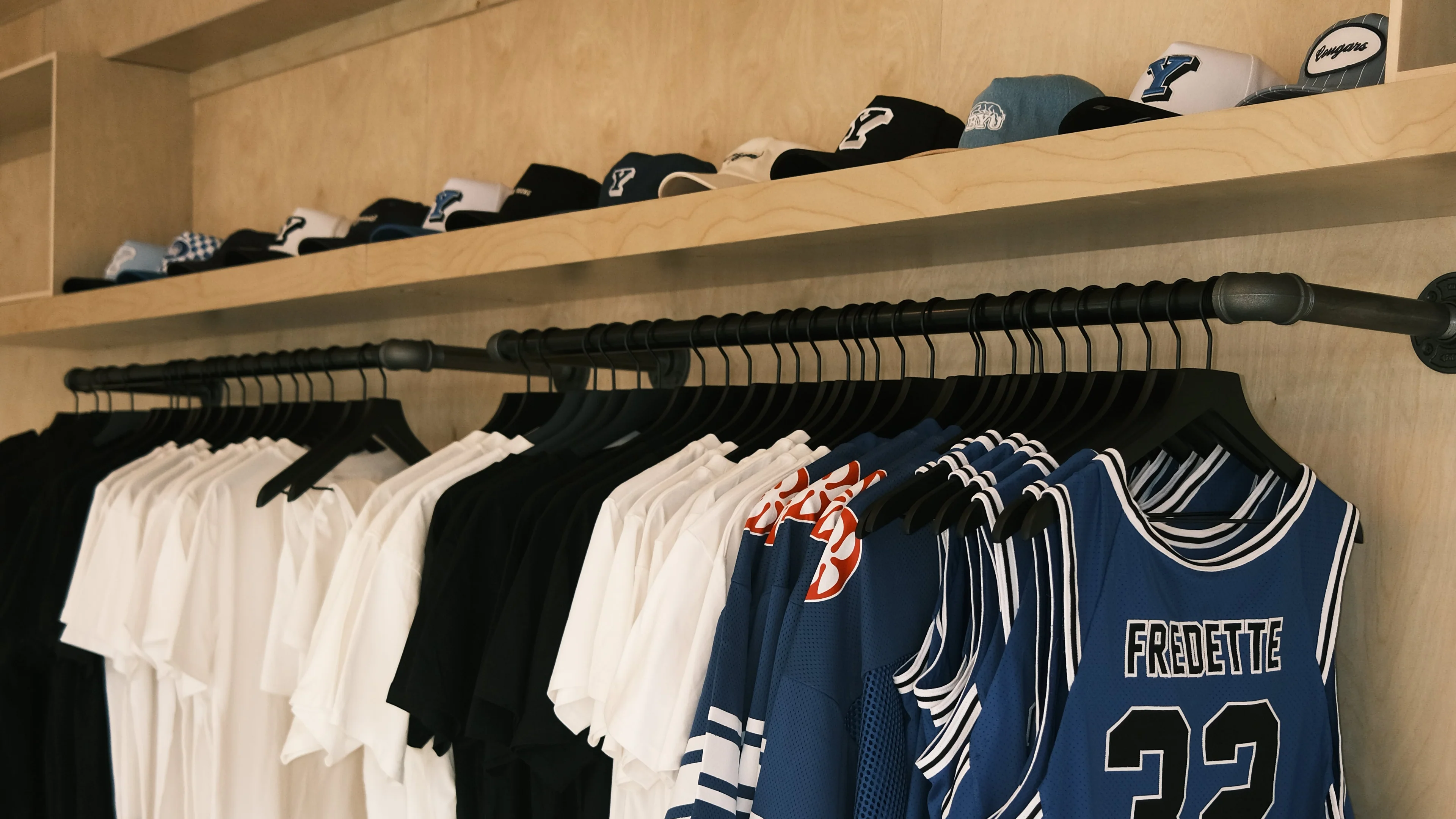
Hoodies, tees, and caps for an online merch store with no upfront inventory risk. Small-batch production with on-demand decoration. Hang-tag attachment and direct-to-consumer drop shipping via the consolidation center. Brand the merch — logistics handled.
Organic cotton tees and recycled polyester jackets with carbon-neutral production and plastic-free packaging. Full documentation backs each eco-order — verified sustainability, not greenwashing.
A production-ready tech pack eliminates ambiguity, prevents costly rework, and gives QC inspectors an objective standard to measure against.
Without a sealed golden sample (signed by both the buyer and the factory) and contractually referenced as the quality benchmark, there is no objective standard for QC comparison. Why samples drift from bulk, and how the sealed sample is referenced at each inspection gate, is covered in the buyer's guide above.
Bilingual NDA first — enforceable under Chinese contract law, signed before any design file is shared. The template is provided.
Vector files only — supply AI/EPS, never editable source files. Watermark all pre-production visuals shared with factories.
Digitization proof records — for embroidery, document stitch count, thread color codes, and digitizer identity per design.
IP register & destruction — each design file is logged with authorized use scope and destruction date after production. Never re-used across accounts.
Each factory in our network passes this 3-step verification before a single meter of fabric is cut. The process has been refined over 14 years of manufacturing in China's textile provinces.
Screen factories against the garment category, MOQ, and certification requirements. Verify business license through China's National Enterprise Credit Information Publicity System. Request current production photos — not catalog images — of similar garments in production. Cross-check all claimed certifications against the issuing body's public database.
Inspect fire safety equipment and emergency exits, electrical safety and machine guarding, pattern-making room and CAD capability, cutting-room organization and fabric storage, and sewing line layout (straight-line vs. modular). Review ISO 9001 quality manual, BSCI/WRAP social compliance audit reports, and worker payroll records. A factory unwilling to let you photograph the production floor is a red flag.
Once the factory passes audit, production runs through the 3-stage inspection covered in the Manufacturing & QC section above. Shipments are consolidated at our China hub, with seal number, loading photos, and the final QC report provided before vessel departure.
Program highlights shared by procurement directors, event producers, and people operations leads — individual results vary by order size and use case.
“Rolled out premium polos to 1,200 employees across 12 offices. Color-matched our exact brand blue with spectrophotometer precision. Each office received their allocation labeled by employee name and size. Two years in, those polos are still the #1 worn item in each all-hands photo.”

“Ordered 3,000 event tees for a 3-day conference with 2-week turnaround. Screen-printed front and back with our sponsor wall on the back. Staff wore them, attendees bought them at the merch booth, and 6 months later we still see them tagged on Instagram. Already reordering for next year.”

“GOTS organic cotton hoodies with water-based prints for our climate campaign. LeelinePromotion provided the full material passport, OEKO-TEX cert, and carbon-offset documentation we needed for our ESG report. The hoodies sold out in 48 hours and we had to restock twice. Quality was consistently excellent.”

“ANSI-compliant hi-vis vests for our 500+ construction site teams. Reflective tape placement verified against the standard, custom screen-printed with our logo and safety slogan in fluorescent ink. Each batch shipped with compliance certificates. 3 years running with zero audit findings.”

Product, compliance, and QC details on this page are reviewed by LeelinePromotion's in-house quality & compliance team. Last verified August 2026.

35% cost reduction, 42% meeting boost, 100% on-time delivery. Seasonal promotion campaign manufacturing case study with verified 500-order CRM analysis.
Read Case Study
Real CRM analysis: 40% referral lift, 30% inbound spike in 90 days, 0% brand risk. Premium corporate gift manufacturing case study with verified China production data.
Read Case StudyEverything you need to know before starting a custom clothing project.
MOQs start at 200 units across all garment styles and decoration methods listed on this page. For multi-style orders, quantities can be combined across types to reach viable per-style totals — a mixed order of tees, polos, and hoodies counts toward a single volume threshold.